Translation and Language Industry Observations

Showing: 27 - 39 of 60 Articles

Developing Your Language Skills During the Holidays

by Luke Smith Fluency in a non-native language takes consistent effort. Whether you’re just beginning or you’ve achieved a good level of fluency, you can only maintain this by use. Your commitment to learning will also help you to grow into a skilled and often creative multicultural communicator. But let’s face it, there are times …


Will French be the Language of the Future?

Summary: This blog post from GTS Translation discusses the potential of French to be a significant language in the future, highlighting its current status as the fifth most spoken language worldwide, its role in business, and its prevalence on the internet. It emphasizes the geographical distribution of Francophones, with a significant portion in Africa, and …

The State of Language Translation in the European Union (EU)

Since Brexit, there are 27 member states in the European Union in which 24 different official languages are spoken. This makes translation a hot topic in the EU. The most common languages are English, German and French, which, including Spanish, often also function as relay languages. ( A relay language is the translation from an …

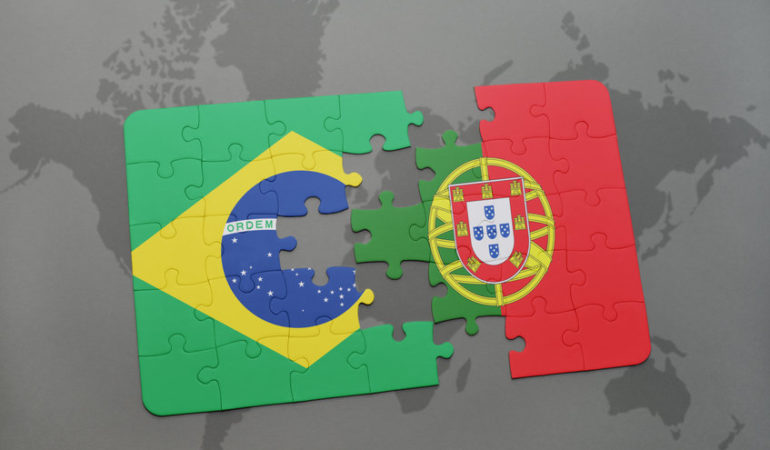
Portuguese: are we going to Brazil or to Portugal?

Portuguese is spoken by about 250 Million people worldwide. It is possible for a Portuguese and a Brazilian to be able to converse with each other in an intelligible way. But this only happens with a certain effort on both sides. In general, the two understand each other because both Brazil and Portugal speak the same language. In …

Localizing for Europe’s Small Countries

When it comes to countries, bigger isn’t always better. Although Europe’s smallest countries are tiny enough to be overlooked, each of them has a fascinating history and many intriguing attractions to discover, from beautiful scenery to historic cities to excellent museums. Read on to learn more about Europe’s seven smallest countries, the languages spoken in …

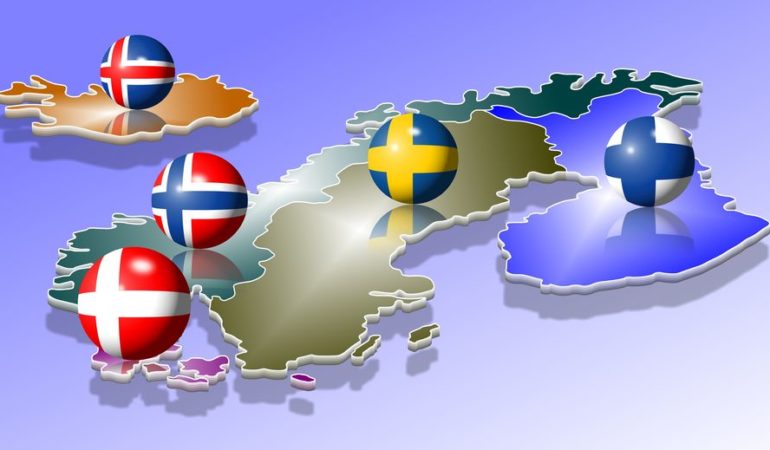
Localizing for Scandinavia

Scandinavia is a region in Northern Europe which is comprised of five countries: Denmark, Sweden, Norway, Iceland and Finland. The combined population of these countries is about 27 million. Which is far less than the populations of single Western European countries like Germany, France, Spain, Italy, Russia and the UK. Localizing for Scandinavia means translating …

10 Yiddish Words that Infiltrated the English Language

Yiddish is mainly spoken today by several hundred thousand Hasidic Jews in the USA and in Israel. It is a Germanic dialect which is written using the Hebrew alphabet. Yiddish, which means Jewish, was spoken by several million people before World War II. Yiddish is commonly referred to by Ashkenazi Jews as “Mama Loshon,” which …

10 Hebrew Words that have no English translation

One of the problems that face translators is that some words have no equivalent in other languages. This can also pose a challenge to people who are non-native speakers of a language, since second language speakers tend to process spoken language through internalized translation. Hebrew is one of the most ancient languages in existence. But …

How German Became the Money Language

Europe, being the epitome of the diverse ancient background, has twenty-four official languages, with German being the first, French second and Italian third. Europe also has more than 60 regional and minority languages. This undeniably powerful language, German, is challenging to learn but offers many benefits that other languages don’t. Some recent reports claim that …

Enjoy this blog? Please spread the word :)